
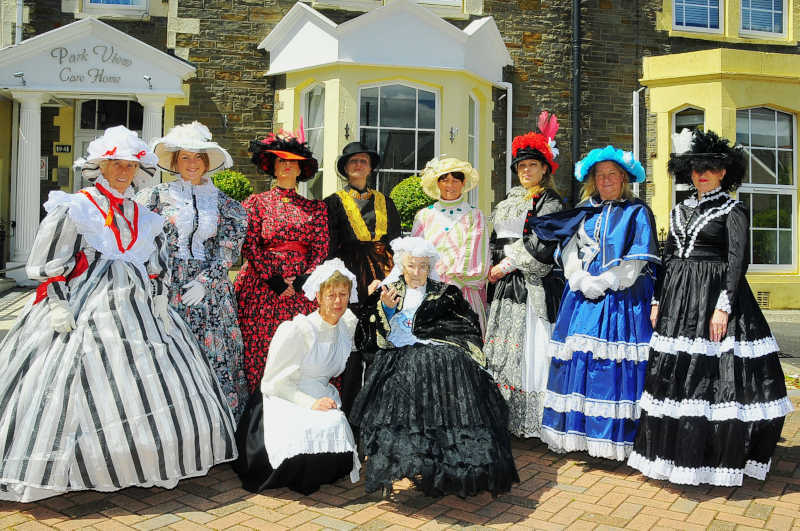
The Elegance of Victorian Clothing
Victorian clothing is renowned for its exquisite elegance and intricate designs that defined the fashion trends during the Victorian era, spanning from 1837 to 1901. This period was characterised by a rich variety of styles, fabrics, and accessories that reflected the social status and taste of individuals.
One of the most iconic features of Victorian clothing is the emphasis on elaborate details and fine craftsmanship. Women’s fashion during this era was marked by voluminous skirts, corsets, intricate lacework, and delicate embroidery. The silhouette was often cinched at the waist to create an hourglass figure, accentuating femininity and grace.
Men’s fashion in the Victorian era was equally sophisticated, with tailored suits, waistcoats, top hats, and cravats being popular choices. The use of luxurious fabrics such as silk, velvet, and brocade added a touch of opulence to men’s attire, reflecting their social standing and wealth.
Victorian clothing also reflected the societal norms and values of the time. Modesty was highly valued, leading to high necklines, long sleeves, and floor-length skirts for women. Men’s attire exuded authority and formality, with dark colours and structured tailoring conveying a sense of power and respectability.
Accessories played a crucial role in Victorian fashion, with gloves, parasols, fans, jewellery, and hats serving as essential elements to complete an outfit. Each accessory was carefully chosen to complement the overall look and add a touch of sophistication.
Today, Victorian clothing continues to inspire modern fashion designers with its timeless elegance and romantic allure. Elements such as ruffles, lace details, high collars, and tailored silhouettes can be seen in contemporary collections that pay homage to this bygone era.
Whether you’re drawn to the opulent gowns of Victorian women or the dapper suits of Victorian gentlemen, exploring the world of Victorian clothing offers a glimpse into a bygone era where style was synonymous with sophistication and refinement.
5 Essential Tips on Embracing Victorian Fashion: Intricate Details, Layering, and More
- Victorian clothing often featured intricate details such as lace, ruffles, and embroidery.
- Layers were a common feature of Victorian attire, with women often wearing multiple petticoats and men layering waistcoats and coats.
- Corsets were commonly worn by women during the Victorian era to achieve the fashionable hourglass silhouette.
- Accessories such as gloves, hats, and parasols were important elements of Victorian fashion for both men and women.
- Dark colours such as black, navy, and deep green were popular choices for Victorian clothing, especially for formal occasions.
Victorian clothing often featured intricate details such as lace, ruffles, and embroidery.
Victorian clothing was known for its attention to detail, with intricate embellishments like lace, ruffles, and embroidery being prominent features in many garments. These delicate touches added a sense of elegance and sophistication to Victorian attire, showcasing the craftsmanship and artistry of the era. Whether adorning a high-necked blouse or gracing the hem of a voluminous skirt, these intricate details were key elements that defined the beauty and charm of Victorian fashion.
Layers were a common feature of Victorian attire, with women often wearing multiple petticoats and men layering waistcoats and coats.
Layers were a prevalent characteristic of Victorian fashion, showcasing the attention to detail and complexity of attire during that era. Women frequently adorned themselves with multiple petticoats, creating voluminous skirts that added a sense of grandeur and elegance to their ensembles. On the other hand, men embraced layering by combining waistcoats and coats to achieve a polished and sophisticated look. This emphasis on layers not only provided warmth and practicality but also contributed to the intricate and structured aesthetic that defined Victorian clothing.
Corsets were commonly worn by women during the Victorian era to achieve the fashionable hourglass silhouette.
During the Victorian era, women often embraced the practice of wearing corsets to attain the coveted hourglass figure that epitomised fashionable beauty standards of the time. The structured design of corsets helped cinch the waist and accentuate curves, creating a silhouette that exuded elegance and femininity. Despite the discomfort they may have caused, corsets were a staple in Victorian women’s wardrobes, reflecting a dedication to fashion and an adherence to societal ideals of beauty and grace.
Accessories such as gloves, hats, and parasols were important elements of Victorian fashion for both men and women.
Accessories such as gloves, hats, and parasols held significant importance in Victorian fashion for both men and women. These accessories were not merely embellishments but essential elements that completed and elevated the overall look of an outfit. In the Victorian era, gloves added a touch of refinement, hats conveyed social status and style, while parasols served a dual purpose of protecting from the sun and adding a fashionable flair to one’s ensemble. The meticulous selection and coordination of accessories were crucial in achieving the desired elegance and sophistication that defined Victorian fashion for both genders.
Dark colours such as black, navy, and deep green were popular choices for Victorian clothing, especially for formal occasions.
Dark colours such as black, navy, and deep green were highly favoured in Victorian clothing, particularly for formal events and occasions. These rich and sombre hues exuded a sense of elegance, sophistication, and formality that were in line with the societal norms of the era. Whether it was a lavish evening gown or a tailored suit, incorporating dark colours added a touch of refinement and gravitas to one’s attire, making it a timeless choice for those seeking to make a lasting impression in Victorian society.