
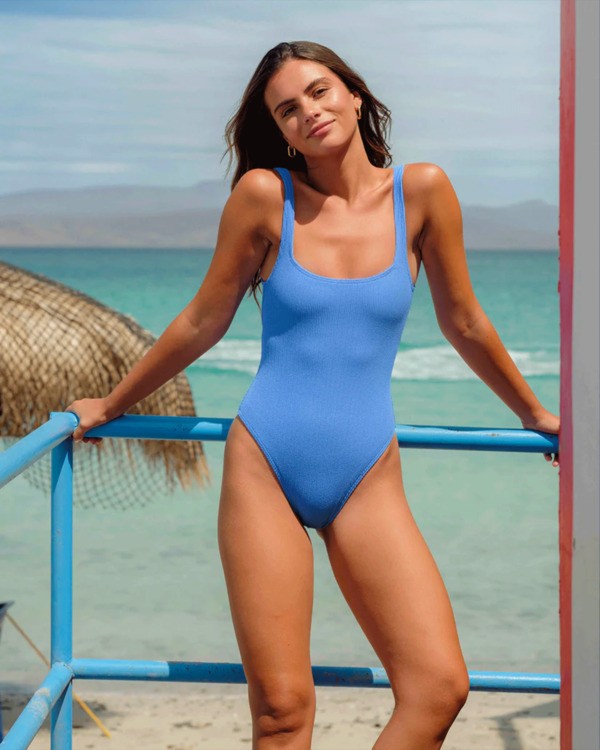
Swimsuits for Women: How to Find Your Perfect Fit
A swimsuit should feel comfortable, support the way you like to move and suit the occasions you have in mind. Whether you are planning a beach holiday, swimming lengths at the pool or relaxing by the water, there are plenty of styles to choose from. The best option is the one that makes you feel at ease.
Popular swimsuit styles
One-piece swimsuits offer a classic, versatile look. They come in a wide range of cuts, from simple athletic designs to styles with belts, ruching, cut-outs or lower backs. Look for features such as adjustable straps or built-in support if these matter to you.
Bikinis pair a separate top and bottom, making it easy to choose different sizes or mix colours and prints. Top styles include triangle, bandeau, halterneck and underwired designs. Bottoms range from high-waisted cuts to briefs and tie-side styles.
Tankinis combine a longer top with separate bottoms. They can offer the flexibility of a two-piece while providing more coverage across the torso.
Swim dresses and skirted swimsuits add fabric over the hips and thighs. Some are designed for swimming, while others may be better suited to lounging, so check the product details before buying.
Choosing a swimsuit for swimming or relaxing
If you plan to swim regularly, consider a swimsuit designed for movement. A secure fit, supportive straps and a fabric that holds its shape can help it stay comfortable in the water. Sporty one-pieces and racerback styles are popular choices for lane swimming.
For holidays and relaxed days by the pool, you may prefer features such as adjustable ties, decorative details or a more fashion-led cut. If you will be moving between swimming and sunbathing, a style that is comfortable both wet and dry can be especially practical.
Finding the right fit
Swimsuit sizing can vary between brands, so check the size guide rather than relying on your usual clothing size. Take your measurements and compare them with the brand’s chart. For a two-piece, consider choosing separate top and bottom sizes if the retailer offers them.
A swimsuit should feel secure without pinching, digging in or restricting your movement. Straps should stay in place, and the fabric should lie smoothly without feeling uncomfortably tight. When trying one on, move around, sit down and raise your arms to see how it feels. Remember that fit is personal: coverage and support preferences differ from person to person.
Fabric, support and practical details
Most swimsuits are made from a blend of synthetic fibres such as polyester or polyamide with elastane. These materials are designed to stretch and fit close to the body. If you swim often, look for care and durability information, particularly if you regularly use chlorinated pools.
Details such as removable cups, adjustable straps, lining and underwiring can affect comfort and support. Consider which features you actually enjoy wearing, and check the product description to understand how the swimsuit is constructed.
Care tips to help your swimsuit last
- Rinse your swimsuit in cool water after wearing it, especially after swimming in a chlorinated pool or the sea.
- Follow the care label and use a gentle wash where recommended.
- Avoid wringing the fabric, which can stretch or damage it.
- Leave it to dry naturally, away from direct heat and prolonged sunlight.
- Rotate between swimsuits if you swim frequently, giving each one time to dry fully.
Choose what feels right for you
There is no single swimsuit style that suits everyone. Think about where you will wear it, how much coverage you prefer and what makes you feel comfortable. With a little attention to fit, fabric and practical details, it is easier to find a swimsuit you will look forward to wearing—whether you are heading for the pool or packing for a seaside escape.
Your Ultimate Guide to Choosing the Perfect Swimsuit: Answers to 8 Common Questions
- How do I choose the right swimsuit size?
- Which swimsuit styles offer the most support?
- What is the difference between a one-piece, bikini and tankini?
- Which swimsuit is best for regular swimming?
- How can I find a swimsuit that suits my body shape?
- What fabric should I look for in a durable swimsuit?
- How should I wash and care for a swimsuit?
- Can I wear a swimsuit in a chlorinated swimming pool?
How do I choose the right swimsuit size?
To choose the right swimsuit size, measure your bust, waist and hips, then compare your measurements with the brand’s size guide, as sizing can vary between shops. The swimsuit should feel secure without digging in, gaping or restricting movement; straps should stay in place and the fabric should sit smoothly against your body. If you’re between sizes or buying a two-piece, check whether the brand offers separate top and bottom sizes, and review its fit advice and returns policy before ordering.
Which swimsuit styles offer the most support?
Swimsuits with built-in underwiring, moulded or lightly padded cups, wide adjustable straps and a secure back fastening often offer the most support, particularly for fuller busts. A well-fitted one-piece with a higher neckline or a supportive sports-style design can also feel secure for swimming and other active pursuits. For a two-piece, look for structured bikini tops with underwiring or a firm underband, and check the brand’s size guide to find a comfortable fit.
What is the difference between a one-piece, bikini and tankini?
A one-piece swimsuit covers the torso in a single garment, offering a classic look with varying levels of coverage and support. A bikini is a two-piece set, usually made up of a separate top and bottoms, which can often be mixed and matched. A tankini also has separate top and bottoms, but its longer top covers more of the torso, combining the flexibility of a two-piece with extra coverage.
Which swimsuit is best for regular swimming?
For regular swimming, a well-fitting swimsuit designed for movement is usually the best choice. A one-piece with secure straps, a comfortable fit and good coverage is a popular option, while racerback styles can offer extra freedom for arm movement. Look for durable, chlorine-resistant fabric if you swim in a pool often, and check the care label to help your swimsuit keep its shape.
How can I find a swimsuit that suits my body shape?
To find a swimsuit that suits your body shape, start with what makes you feel comfortable rather than following strict rules. Think about the coverage, support and features you prefer: adjustable straps, underwiring or a structured top may offer extra support, while ruching, colour-blocking or different necklines can create a look you enjoy. Try a few styles and sizes, as sizing varies between brands, and check that the swimsuit feels secure without digging in or restricting movement. The right choice is the one you feel confident wearing.
What fabric should I look for in a durable swimsuit?
For a durable swimsuit, look for chlorine-resistant fabric, such as polyester or a polyester blend with elastane, which can help the suit retain its colour and shape with regular swimming. Nylon and elastane blends are also common and comfortable, but may wear more quickly with frequent exposure to chlorine or sunlight. Check the care label and product description for details, and rinse your swimsuit in cool water after each use to help it last longer.
How should I wash and care for a swimsuit?
Rinse your swimsuit in cool, fresh water as soon as possible after swimming to remove chlorine, salt, sand and sunscreen. Hand-wash it gently with a mild detergent, following the care label, and avoid bleach, fabric softener, wringing or tumble-drying, as these can damage the fibres and affect the fit. Press out excess water with a clean towel, then leave the swimsuit to air-dry flat or in the shade, away from radiators and direct sunlight. Dry it fully before storing, and alternate between swimsuits if you swim often to help them keep their shape.
Can I wear a swimsuit in a chlorinated swimming pool?
Yes, you can wear a swimsuit in a chlorinated swimming pool. However, frequent exposure to chlorine may fade colours and weaken or stretch some fabrics over time. Rinse your swimsuit in cool, fresh water as soon as you can after swimming, follow its care label and let it dry naturally away from direct heat or sunlight. If you swim regularly, look for a swimsuit made from chlorine-resistant fabric.