
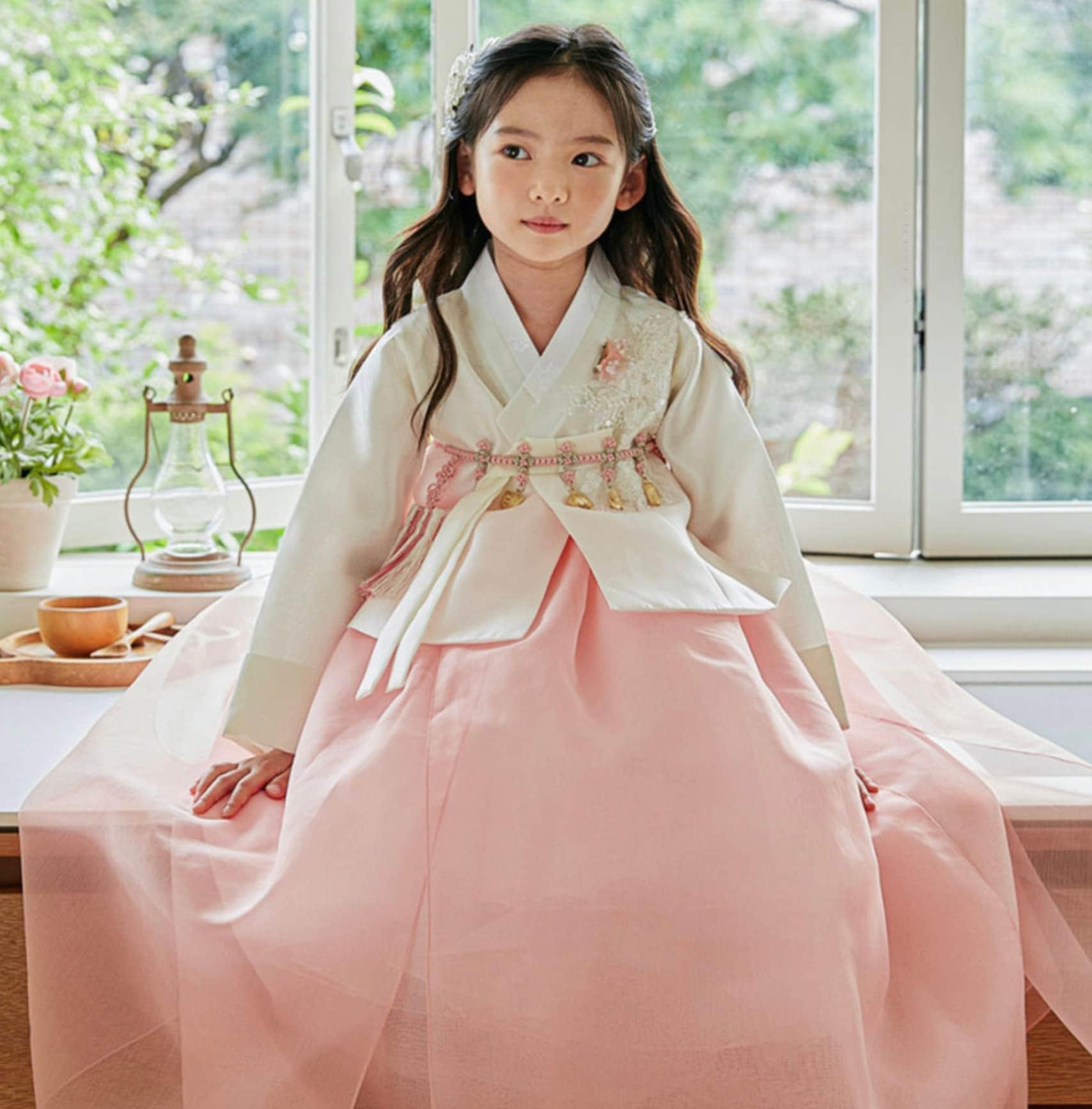
The Timeless Elegance of Hanbok Dress
Originating from Korea, the hanbok dress is a traditional attire that embodies elegance, grace, and cultural significance. With its vibrant colours, flowing lines, and intricate details, the hanbok dress has captured the hearts of people worldwide.
One of the distinctive features of the hanbok dress is its harmonious blend of simplicity and sophistication. The silhouette is often loose and flowing, allowing for freedom of movement while exuding a sense of gracefulness. The vibrant colours and intricate patterns reflect Korean aesthetics and symbolism, making each hanbok dress a work of art.
Worn on special occasions such as weddings, celebrations, and festivals, the hanbok dress holds deep cultural meaning. It symbolises tradition, respect for heritage, and a connection to Korea’s rich history. Each element of the hanbok dress – from the jeogori (jacket) to the chima (skirt) – carries its own symbolism and significance.
Despite its traditional roots, the hanbok dress continues to evolve with modern influences. Contemporary designers are reinterpreting this classic attire to suit modern tastes while preserving its essence. Today, you can find hanbok dresses in a variety of styles that cater to different preferences and occasions.
Whether worn for a traditional ceremony or a modern event, the hanbok dress remains a timeless symbol of Korean culture and beauty. Its enduring elegance transcends time and trends, making it a cherished garment that continues to captivate admirers around the world.
Understanding Hanbok: Cultural Significance, Global Wearability, Origins, and Etiquette
- Why do Koreans wear hanbok?
- Is it okay for foreigners to wear hanbok?
- Is hanbok Chinese or Korean?
- What are the rules for wearing a hanbok?
Why do Koreans wear hanbok?
Koreans wear hanbok for various reasons deeply rooted in their cultural heritage and traditions. The hanbok holds significant symbolic value, representing respect for Korea’s history and customs. It is worn during important occasions such as weddings, festivals, and ancestral rites to honour ancestors and maintain a connection to the past. The vibrant colours and intricate designs of the hanbok also reflect Korean aesthetics and values, making it a cherished garment that embodies elegance and cultural pride. By wearing hanbok, Koreans celebrate their identity and heritage while showcasing the timeless beauty of their traditional attire to the world.
Is it okay for foreigners to wear hanbok?
Wearing a hanbok as a foreigner is generally welcomed and appreciated in South Korea. It is seen as a gesture of respect for Korean culture and traditions. Many places in Korea, such as palaces and cultural sites, even offer hanbok rental services for visitors to experience wearing this beautiful attire. By embracing the hanbok, foreigners can not only enjoy a unique cultural experience but also show their admiration for Korean heritage. It is important to wear the hanbok respectfully and with appreciation for its significance, which will be warmly received by locals.
Is hanbok Chinese or Korean?
The question of whether hanbok is Chinese or Korean often arises due to similarities in traditional attire across different East Asian cultures. However, it is important to clarify that hanbok is distinctly Korean. The hanbok dress is a symbol of Korea’s rich cultural heritage, with unique designs, colours, and patterns that reflect the country’s traditions and history. While there may be some shared elements between Chinese and Korean traditional clothing, the hanbok dress stands out as a quintessentially Korean garment that holds deep cultural significance and pride for the Korean people.
What are the rules for wearing a hanbok?
When it comes to wearing a hanbok, there are certain rules and customs to keep in mind to honour the tradition and significance of this attire. One important rule is to ensure that the overlapping of the jeogori (jacket) is on the right side, as this is considered proper etiquette. Additionally, the length of the chima (skirt) should be adjusted according to one’s height, with the skirt usually touching the top of the shoes. It is also customary to wear appropriate undergarments that complement the hanbok and maintain modesty. Lastly, when wearing a hanbok for special occasions or ceremonies, it is essential to carry oneself with respect and grace, embodying the elegance and cultural heritage that the hanbok represents.