
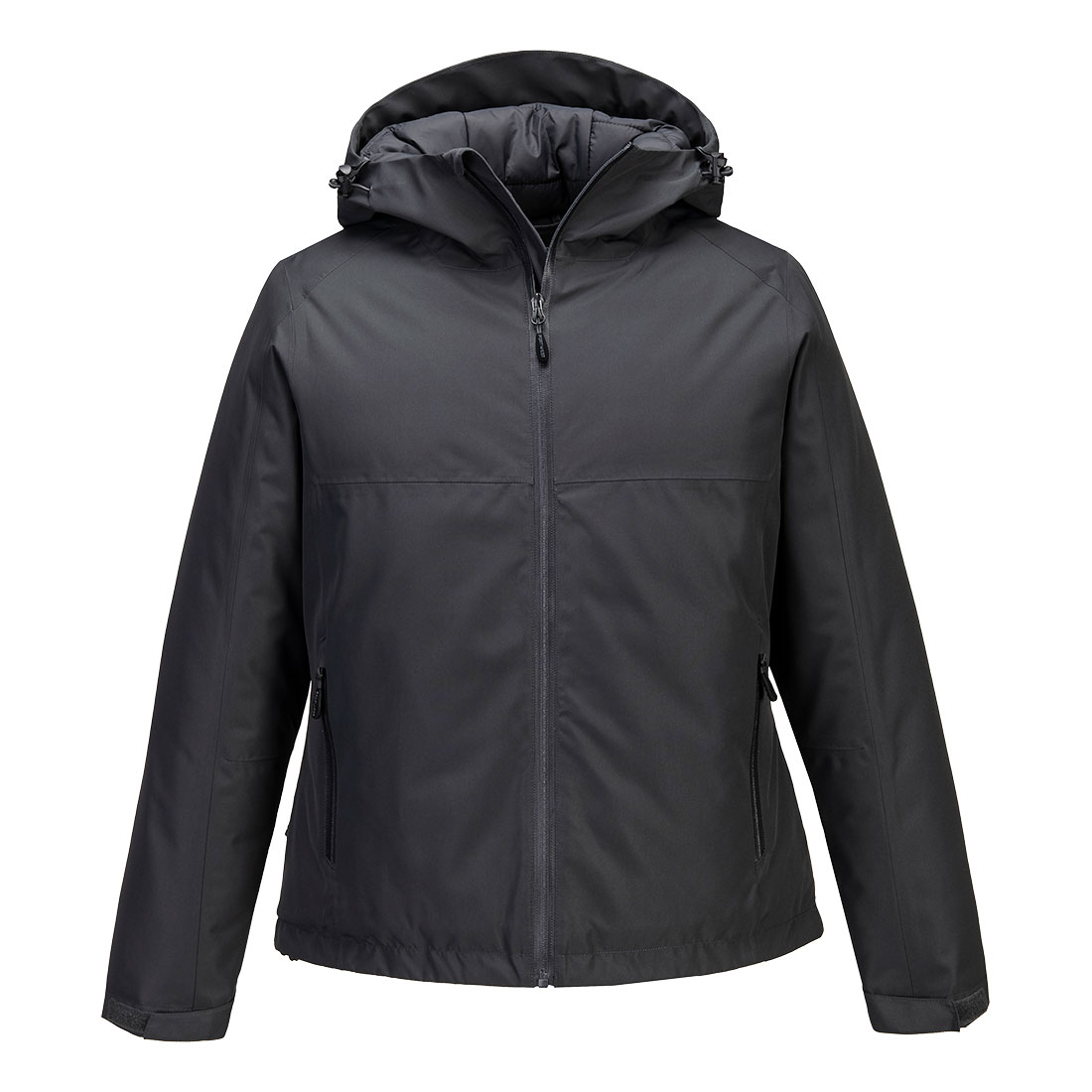
Winter Jackets for Women: A Guide to Finding the Right One
A good winter jacket is one of the hardest-working pieces in a cold-weather wardrobe. It needs to keep you comfortable outdoors, suit your everyday style and work for the conditions you are likely to face. From lightweight insulated coats to long, weather-resistant parkas, there are plenty of options to choose from.
The best jacket for you depends on where and when you plan to wear it. Think about your usual commute, how much time you spend outside and whether you need a coat for everyday use, weekend walks or particularly cold weather. A little planning can help you find a jacket that feels as practical as it looks.
Popular styles of winter jacket
The padded jacket
Padded jackets are filled with insulation to help retain warmth. They come in lightweight designs for everyday wear and longer, more substantial styles for colder days. A shorter padded jacket can be easy to layer and move around in, while a longer cut offers more coverage.
The parka
Parkas are often longer than standard jackets and may feature a hood, a high collar and practical pockets. Some are designed to resist wind and rain, making them a useful option for changeable British weather. Look for adjustable cuffs and a well-fitting hood if you expect to wear yours outdoors regularly.
The wool coat
A wool or wool-blend coat is a classic choice for work, evenings and occasions when you want a more tailored look. These coats can provide warmth, although they may not be as suitable as a waterproof jacket in heavy rain. A scarf and warm layers underneath can make a wool coat more comfortable on colder days.
The waterproof jacket
If rain is a regular part of your winter, a waterproof or water-resistant jacket can be especially useful. Check the product details carefully: water-resistant fabric can handle light showers, while a waterproof design is intended to offer greater protection. Sealed seams, a storm flap and an adjustable hood can also help keep the weather out.
Choosing the right insulation
Winter jackets use different types of insulation. Down is known for providing warmth without adding much weight, while synthetic insulation is often a practical alternative in damp conditions and can be easier to care for. The warmth of a jacket depends on more than its filling alone, so consider its length, lining, fit and intended use as well.
For milder winters or active days, a lighter jacket may be enough when worn with warm layers. For long periods outdoors, a more insulated coat with a wind-resistant outer fabric could be a better choice.
Fit, comfort and layering
A winter jacket should feel comfortable over the clothes you normally wear. Try it on with a jumper or other mid-layer and check that you can move your arms freely, fasten it easily and sit down without restriction. Sleeves should cover your wrists, and the hem should provide suitable coverage for your routine.
A close fit can help keep warmth in, but a jacket that is too tight may leave little room for layers. If you expect to wear thick knitwear underneath, consider trying a size that allows comfortable movement without feeling bulky.
Details worth looking for
- A protective hood: Useful in wind and rain, especially if it can be adjusted.
- Secure pockets: Zipped or buttoned pockets help keep essentials safe.
- Adjustable cuffs and hems: These can help improve comfort and reduce draughts.
- A sturdy fastening: A zip with a button or popper storm flap can provide extra protection.
- Easy-care fabric: Check the care label before buying, particularly for insulated or wool coats.
How to style a winter jacket
For a relaxed everyday outfit, pair a padded jacket with jeans, knitwear and comfortable boots. A long parka works well with layered casual clothing, while a tailored wool coat can be worn over workwear or a simple dress. Neutral shades such as black, navy, grey and camel are easy to coordinate, while a brighter colour can add interest to a winter outfit.
Accessories can also make a difference. A warm scarf, gloves and a hat add comfort and give you more flexibility when temperatures change. Choose accessories that work with the jacket’s colour and neckline, and consider how they will fit beneath its hood or collar.
Caring for your winter jacket
Always follow the care instructions on the label. Some jackets can be machine-washed, while others may require specialist cleaning. Empty the pockets before washing, fasten zips and buttons, and make sure the jacket is fully dry before storing it. For insulated coats, the label may include specific instructions to help the filling keep its shape.
With the right combination of warmth, weather protection and comfort, a winter jacket can see you through many cold-weather seasons. Consider your daily needs first, then choose a style and fit that you will be happy to wear throughout winter.
7 Essential Tips for Choosing the Perfect Winter Jacket for Women
- Choose a jacket that fits comfortably over layers.
- Look for waterproof fabric for rainy days.
- Pick a warm lining for colder weather.
- Check the hood is adjustable and secure.
- Choose a length that suits your daily routine.
- Look for zipped pockets to keep essentials safe.
- Follow the care label to keep your jacket in good condition.
Choose a jacket that fits comfortably over layers.
Choose a jacket that fits comfortably over the layers you’re likely to wear, such as a jumper or fleece. Try it on with those layers underneath and check that you can move your arms freely, fasten the jacket easily and sit comfortably. A fit that allows a little extra room will help keep you warm without feeling restrictive or bulky.
Look for waterproof fabric for rainy days.
Look for waterproof fabric if you expect to wear your winter jacket on rainy days. A waterproof outer layer helps keep you dry, while features such as sealed seams, an adjustable hood and a storm flap over the zip can provide extra protection. Check the care label, too, as some jackets need special treatment to maintain their water-repellent finish.
Pick a warm lining for colder weather.
Choose a warm lining to stay comfortable on colder days. Fleece, quilted and insulated linings can help retain heat, while a soft lining also adds comfort. Consider how and where you’ll wear the jacket, and make sure there’s enough room to layer a jumper underneath without restricting movement.
Check the hood is adjustable and secure.
Check that the hood is adjustable and secure so it stays comfortably in place when the wind picks up. Drawcords, toggles or fastening tabs let you tailor the fit, while a well-shaped hood can help shield your head and face from rain and cold without blocking your view.
Choose a length that suits your daily routine.
Choose a jacket length that works for your daily routine. A shorter style can feel practical for driving, cycling or busy days when you need to move freely, while a longer coat offers extra coverage and warmth for walking or waiting outdoors. Consider what you’ll wear underneath, too, and choose a length that feels comfortable with your usual outfits.
Look for zipped pockets to keep essentials safe.
Zipped pockets are a useful feature on a winter jacket, helping to keep essentials such as your phone, keys and travel card secure while you’re out and about. They’re particularly handy on busy commutes or windy walks, when items can easily slip from open pockets.
Follow the care label to keep your jacket in good condition.
Always check the care label before cleaning your winter jacket, as different fabrics and insulation need different treatment. Following the washing, drying and storage instructions can help preserve its shape, warmth and weather-resistant finish, keeping it in good condition for seasons to come.