
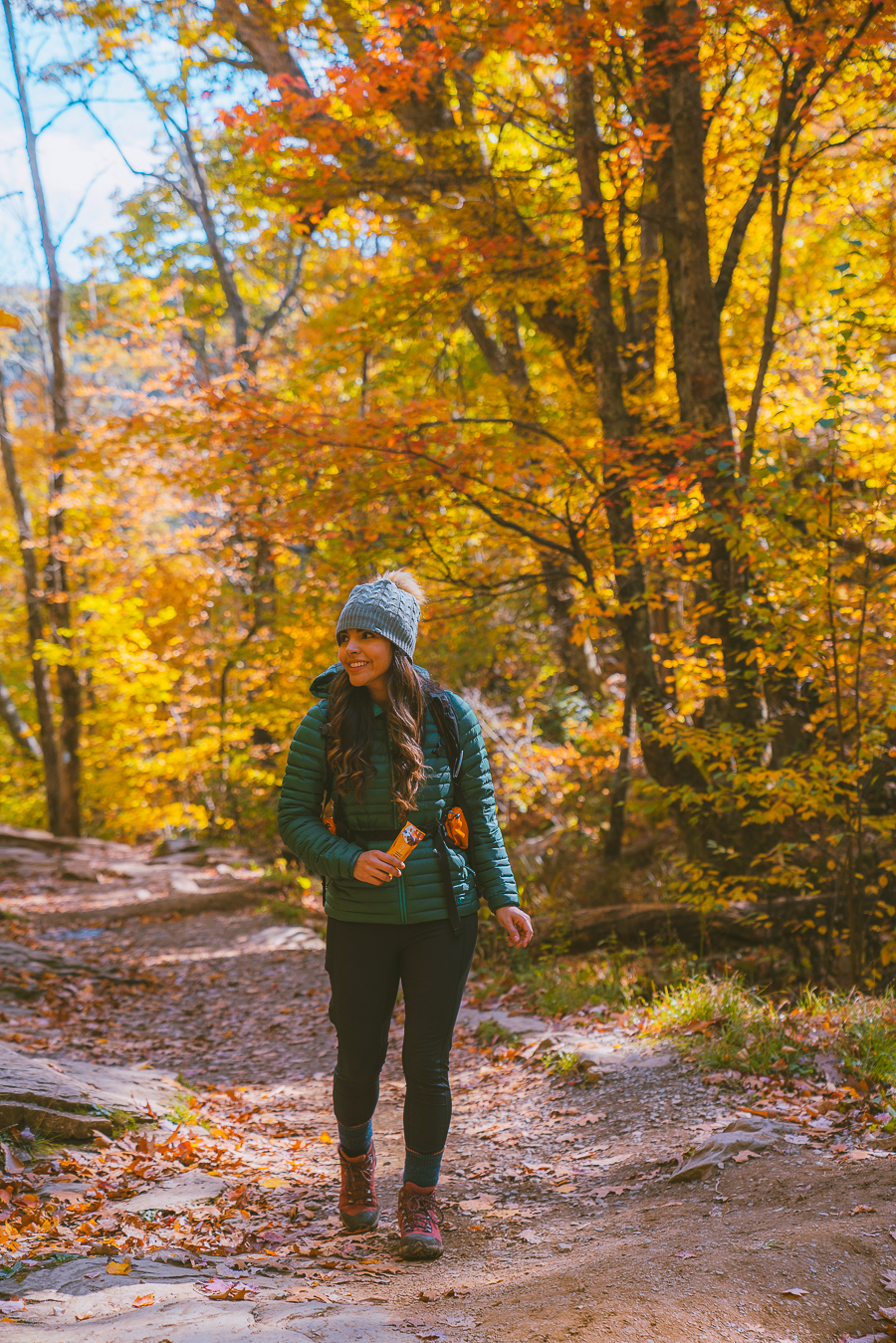
The Essential Hiking Clothes You Need for Your Outdoor Adventures
When preparing for a hiking trip, choosing the right clothing is crucial to ensure your comfort, protection, and performance on the trails. Here are the essential hiking clothes you need for your outdoor adventures:
Moisture-Wicking Base Layers
Start with a moisture-wicking base layer that helps keep sweat away from your skin, keeping you dry and comfortable throughout your hike. Look for materials like merino wool or synthetic fabrics that offer breathability and quick-drying properties.
Quick-Dry Trousers or Shorts
Opt for quick-dry trousers or shorts that provide freedom of movement and durability on the trails. Choose lightweight and stretchy fabrics that dry quickly in case of rain or water crossings.
Breathable Hiking Tops
Select breathable hiking tops such as moisture-wicking t-shirts or long-sleeve shirts to protect you from the sun and keep you cool during strenuous hikes. Consider options with ventilation features like mesh panels for added airflow.
Insulating Mid-Layers
Pack insulating mid-layers like fleece jackets or down vests to stay warm in changing weather conditions or at higher elevations. These versatile pieces can be easily added or removed as needed to regulate your body temperature.
Waterproof Outer Shell
An essential piece of hiking clothing is a waterproof outer shell, such as a rain jacket or shell pants, to protect you from wind, rain, and snow. Look for garments with sealed seams and adjustable hoods for maximum protection.
Sturdy Hiking Boots
Invest in sturdy hiking boots with good ankle support and traction to navigate various terrains safely. Choose waterproof and breathable footwear that fits well and provides comfort during long hikes.
Moisture-Wicking Socks
Select moisture-wicking socks made from merino wool or synthetic blends to keep your feet dry and prevent blisters on the trails. Consider wearing liner socks under thicker hiking socks for added cushioning and protection.
By choosing the right hiking clothes tailored to the demands of outdoor adventures, you can enhance your comfort, performance, and enjoyment while exploring nature’s wonders on foot.
Essential Guide to Choosing the Right Hiking Clothes: FAQs on Materials, Layering, Waterproofing, Boots, and Sizing
- What are the best materials for hiking clothes?
- How should I layer my clothing for hiking in different weather conditions?
- Are waterproof hiking clothes necessary?
- What features should I look for in hiking boots?
- How do I choose the right size of hiking clothes?
What are the best materials for hiking clothes?
When considering the best materials for hiking clothes, it’s essential to prioritise functionality and comfort. Merino wool is a popular choice for base layers due to its moisture-wicking properties and odour resistance. Synthetic fabrics like polyester and nylon are excellent for outer layers as they are lightweight, quick-drying, and durable. For insulating mid-layers, fleece provides warmth without adding bulk. Waterproof materials such as Gore-Tex or eVent are ideal for outer shells to protect against wind and rain while maintaining breathability. Ultimately, choosing a combination of these materials can ensure that your hiking clothes offer the right balance of performance and comfort on the trails.
How should I layer my clothing for hiking in different weather conditions?
When it comes to layering your clothing for hiking in different weather conditions, it’s essential to follow a versatile and adaptable approach. Start with a moisture-wicking base layer to keep sweat away from your skin. Add insulating mid-layers like fleece jackets or down vests for warmth in colder temperatures. Opt for breathable hiking tops and quick-dry trousers or shorts to regulate your body temperature and stay comfortable during strenuous hikes. Finally, top it off with a waterproof outer shell to protect you from wind and rain. By layering your clothing appropriately, you can easily adjust to changing weather conditions and ensure comfort and protection throughout your hiking adventures.
Are waterproof hiking clothes necessary?
When it comes to hiking, the question of whether waterproof hiking clothes are necessary often arises. While the need for waterproof gear depends on the specific conditions of your hike, having waterproof clothing can be a valuable asset in unpredictable weather or wet environments. Waterproof hiking clothes, such as rain jackets and pants, provide protection against rain, snow, and wind, keeping you dry and comfortable during your outdoor adventures. Investing in quality waterproof gear can help you stay warm and focused on the trail, especially in challenging conditions where staying dry is essential for your safety and well-being. Ultimately, having waterproof hiking clothes in your kit can offer peace of mind and versatility for a variety of hiking situations.
What features should I look for in hiking boots?
When selecting hiking boots, there are several key features to consider to ensure comfort and support on the trails. Look for boots with good ankle support to prevent injuries on uneven terrain, as well as a sturdy sole with excellent traction for stability in various conditions. Waterproof materials are essential to keep your feet dry in wet weather, while breathable fabrics help regulate temperature and reduce sweat buildup. Opt for a proper fit that allows room for your toes to wiggle without rubbing or chafing, and consider the weight of the boots to ensure they are suitable for the length and intensity of your hikes. By prioritising these features in your hiking boot selection, you can enhance your outdoor experience and minimise discomfort during your adventures.
How do I choose the right size of hiking clothes?
When selecting the appropriate size of hiking clothes, it is essential to consider factors such as fit, comfort, and functionality. Start by referring to the sizing charts provided by the brand or retailer to determine your measurements accurately. Keep in mind that different brands may have slight variations in sizing, so it’s advisable to try on clothing before purchasing if possible. For tops and bottoms, ensure there is enough room for movement without being too loose or restrictive. Consider the layering system you plan to use and choose sizes that allow for comfortable layering. Additionally, pay attention to specific features such as adjustable waistbands or cuffs that can help customize the fit of your hiking clothes according to your preferences. Ultimately, prioritise comfort and mobility when selecting the right size of hiking clothes to enhance your outdoor experience.