
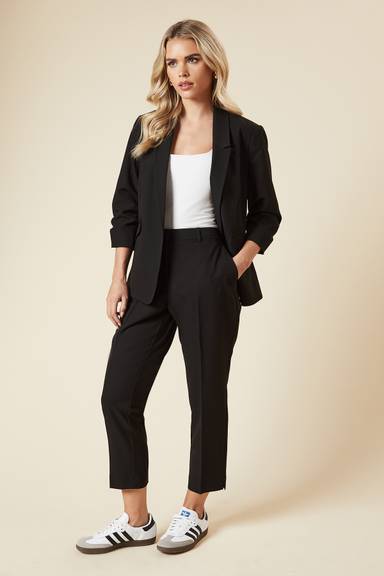
Formal Clothes for Women: A Guide to Dressing with Confidence
Formal clothing is about more than following a dress code. The right outfit can help you feel polished, comfortable and ready for the occasion, whether you are attending a business meeting, a wedding, a formal dinner or an evening event. By choosing well-fitting pieces and paying attention to fabric, colour and accessories, you can create a look that feels both appropriate and personal.
What counts as formal clothing?
Formal dress can mean different things depending on the event. In a workplace, it may call for a tailored suit or smart separates. For an evening occasion, a cocktail dress or an elegant long dress may be more suitable. Always check the invitation or dress code, and consider the venue and time of day when deciding what to wear.
Building a formal wardrobe
A few versatile pieces can make it easier to dress for a range of occasions:
- A tailored suit: A matching jacket and trousers or skirt create a coordinated look. Neutral shades such as navy, black and grey are easy to style, while a rich colour can add personality.
- A smart dress: A simple, well-cut dress can work for both professional and social events. Choose a length and neckline that feel comfortable and suit the occasion.
- Smart separates: A blouse with tailored trousers or a skirt offers flexibility. Separates can be mixed and matched to create several outfits.
- An elegant coat: A well-fitting coat or jacket helps keep an outfit looking considered, particularly in cooler weather.
- Formal shoes: Classic heels, smart flats or polished loafers can all work, depending on the setting and what you find comfortable.
Choosing the right fit
Fit is one of the most important parts of formal dressing. Clothes should allow you to move comfortably while sitting, walking and standing. A jacket should sit smoothly across the shoulders, and trousers or skirts should feel secure without pulling or bunching. If an item is close to fitting well but needs a small adjustment, alterations can make a noticeable difference.
Comfort matters too. Consider the length of an event, the amount of walking involved and whether you will be sitting for long periods. Shoes that look smart but are comfortable enough to wear can help you feel more at ease throughout the day.
Colour, fabric and detail
Classic colours are a reliable choice for formal occasions, but they are not the only option. Jewel tones, soft neutrals and subtle patterns can bring interest to an outfit while still looking refined. For a coordinated appearance, choose colours that complement one another rather than matching every item exactly.
Fabric can affect both the appearance and comfort of an outfit. Wool blends, crepe and heavier cottons often hold their shape well, while silk and satin can bring a more delicate finish. Check care instructions before buying, especially if the garment will be worn often.
Small details, such as a neat collar, quality buttons or a simple belt, can help complete a look. The aim is not to add as many accessories as possible, but to choose a few that suit the outfit and occasion.
Accessories and finishing touches
A structured handbag, understated jewellery and a smart belt can add polish without overwhelming an outfit. For work, keep accessories practical and comfortable. For an evening event, you might choose a more distinctive piece, such as statement earrings or a clutch bag.
Make sure accessories work with the overall look. If your clothing has a bold print or detailed design, simpler accessories may create a better balance. If your outfit is understated, a single colourful or eye-catching accessory can provide a focal point.
Dressing for different occasions
- Business settings: Try a tailored suit, smart dress or combination of a blouse and tailored separates. Keep the overall look neat and professional.
- Weddings: Consider the venue, season and dress code. Avoid assuming that one style suits every wedding, and check whether the couple has requested a particular type of dress.
- Formal dinners: A refined dress or elegant separates are often suitable. A jacket or wrap can be useful if the evening turns cooler.
- Evening events: A cocktail dress, a sophisticated jumpsuit or a long dress may work well, depending on how formal the event is.
Making formal clothes your own
Formal dressing does not mean losing your personal style. You can express yourself through colour, shape, texture and accessories while still respecting the occasion. The most successful outfit is one that feels appropriate and allows you to feel confident in it.
When choosing formal clothes for women, focus on the dress code, a comfortable fit and pieces that can be worn in more than one way. A small collection of well-chosen garments can provide a dependable starting point for work, celebrations and special events.
Women’s Formal Wear: 8 Frequently Asked Questions on Dress Codes, Styles and 2026 Trends
- What makes a women’s dress formal?
- Is kurti a formal dress for women?
- What are formal clothes for women?
- What is a formal dress code for ladies?
- What is the best formal dress to hide my tummy?
- What are formal clothes for a woman?
- What is considered formal wear for ladies?
- What are the hottest formal dress trends for 2026?
What makes a women’s dress formal?
A women’s dress is generally considered formal when its cut, fabric and finish suit an occasion with a smart dress code. Formal styles often feature a tailored or elegant silhouette, refined materials such as crepe, satin or quality wool, and thoughtful details rather than casual prints or distressed finishes. Length can range from knee-length to floor-length, depending on the event, while the venue and invitation’s dress code help determine what is appropriate. Pairing the dress with polished shoes and understated accessories can complete the look.
Is kurti a formal dress for women?
A kurti can be suitable formal wear for women, depending on the occasion and how it is styled. Choose a well-tailored design in a refined fabric and a subtle colour or print, and pair it with smart trousers or a coordinating skirt and polished footwear. For a conservative workplace or a strict formal event, check the dress code, as expectations can vary.
What are formal clothes for women?
Formal clothes for women are smart, polished outfits worn for occasions with a formal or professional dress code. They can include tailored suits, dresses, smart skirts or trousers paired with blouses, and elegant jumpsuits. The right choice depends on the event, venue and dress code, but well-fitting pieces, refined fabrics and understated accessories are reliable ways to create a formal look.
What is a formal dress code for ladies?
A formal dress code for ladies usually calls for elegant, polished clothing suited to the occasion. This might mean a tailored trouser suit or smart separates for a business event, or a cocktail dress or floor-length gown for an evening function. The invitation, venue and time of day can help guide your choice, so check for specific instructions such as “black tie”. Finish with smart shoes and understated accessories, and choose an outfit that fits well and feels comfortable to wear.
What is the best formal dress to hide my tummy?
The best formal dress is one that makes you feel comfortable and confident. If you’d like a softer silhouette around your tummy, try an A-line or wrap dress, or a style with an empire waist that sits just below the bust. Gentle ruching or draping can add flattering detail, while a structured fabric that skims rather than clings can create a smooth, elegant finish. Choose a fit that allows you to move and sit comfortably, and consider trying a few styles to see what feels best for you.
What are formal clothes for a woman?
Formal clothes for a woman are smart, polished garments suited to occasions with a formal or professional dress code. They can include a tailored suit, a smart dress, a skirt or trousers paired with a blouse, or an elegant jumpsuit. The right choice depends on the event, venue and dress code; aim for a neat fit, refined fabrics and accessories that feel appropriate and comfortable.
What is considered formal wear for ladies?
Formal wear for ladies usually means polished, elegant clothing suited to the occasion and its dress code. For work or daytime events, this might include a tailored suit, smart separates or a refined knee-length dress; for evening occasions, it may mean a cocktail dress, an elegant jumpsuit or a floor-length gown. Choose well-fitting garments, smart shoes and simple accessories, and check the invitation for any specific requirements, such as black tie.
What are the hottest formal dress trends for 2026?
For 2026, formalwear is balancing modern tailoring with softer, more expressive details. Look out for relaxed but sharply cut suits, sculptural jackets, elegant wide-leg trousers and dresses with draping, asymmetrical necklines or subtle sheer layers. Rich jewel tones, warm neutrals and confident pops of colour are giving classic black a fresh alternative, while satin finishes and understated metallic accents add evening polish. The key is to choose one standout trend and keep the rest of the outfit refined, comfortable and suited to the occasion.