
Exploring the Rich Heritage of Chinese Clothing
Chinese clothing has a history that dates back thousands of years, reflecting the diverse cultural influences and traditions of this vast country. From the elegant silk garments of ancient dynasties to modern fashion trends, Chinese clothing embodies a unique blend of tradition and innovation.
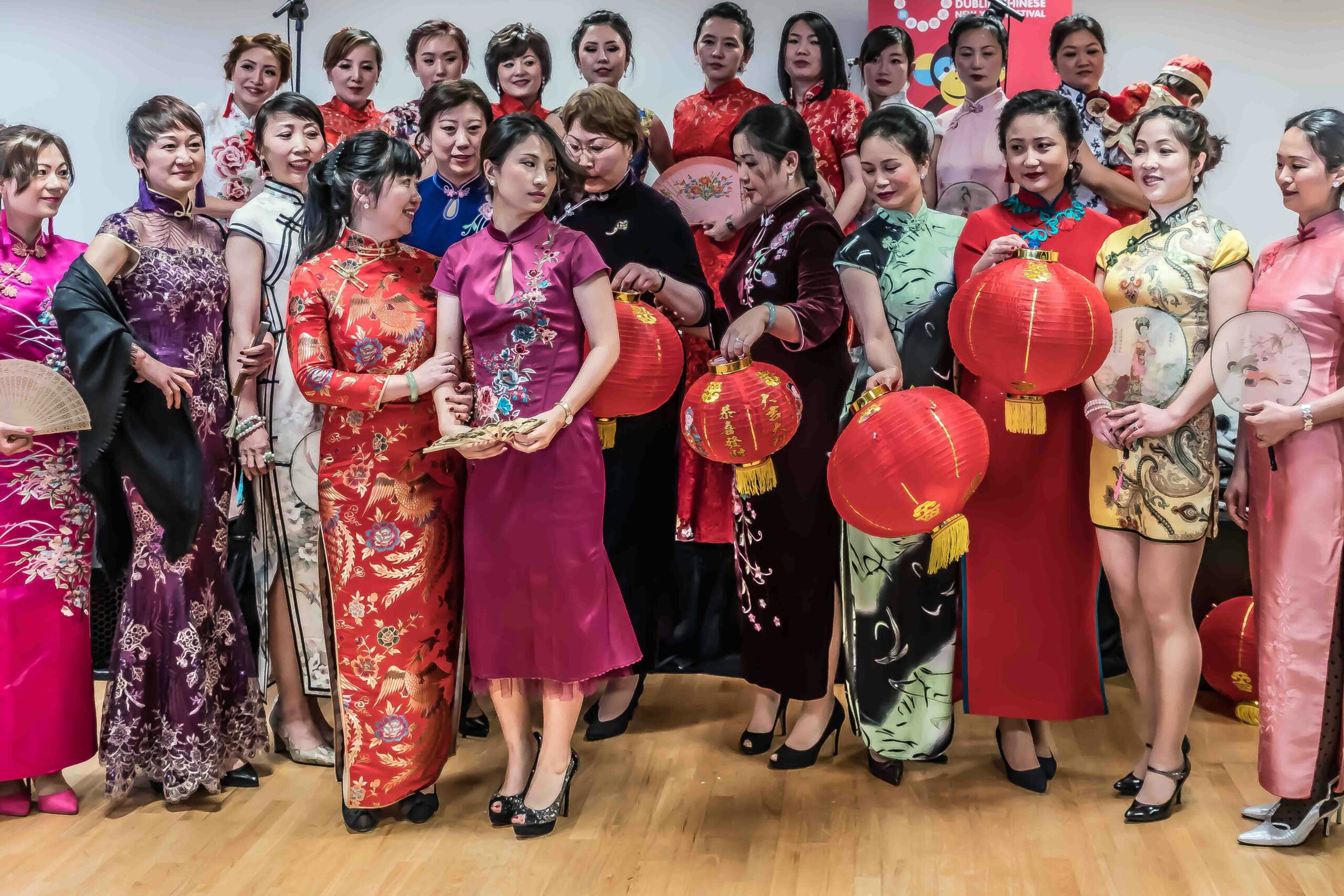
One of the most iconic elements of traditional Chinese clothing is the cheongsam, also known as qipao. This form-fitting dress with a high collar and intricate embroidery has become a symbol of Chinese elegance and femininity. Originally worn by Manchu women in the Qing Dynasty, the cheongsam has evolved over time to incorporate modern designs while still retaining its classic charm.
Another traditional garment that holds significant cultural value is the hanfu. This ancient attire consists of flowing robes with wide sleeves and elaborate patterns, reflecting the aesthetic sensibilities of different dynasties in Chinese history. Today, hanfu enthusiasts seek to revive this traditional dress as a way to reconnect with their cultural roots.
Chinese clothing is not just limited to traditional attire; modern Chinese fashion designers are making waves on the global stage with their innovative creations that blend traditional elements with contemporary styles. From avant-garde streetwear to haute couture inspired by Chinese motifs, these designers are redefining what it means to be fashionable in China and beyond.
Whether you’re exploring the rich tapestry of traditional Chinese clothing or embracing cutting-edge fashion trends from China’s vibrant design scene, one thing is clear: Chinese clothing offers a fascinating glimpse into a culture that values beauty, craftsmanship, and heritage.
Embrace Chinese Fashion: 9 Tips for Wearing Traditional and Modern Attire Respectfully
- When wearing traditional Chinese clothing, such as a qipao or cheongsam, pay attention to the proper fit and silhouette.
- Choose fabrics like silk or brocade for an authentic look and feel in Chinese clothing.
- Incorporate elements of Chinese symbolism, such as dragons or phoenixes, into your outfit for added cultural significance.
- Accessorise with traditional Chinese jewellery like jade bracelets or hairpins to complement your attire.
- Experiment with modern interpretations of Chinese fashion by mixing traditional and contemporary styles.
- Learn about the cultural significance of different colours in Chinese clothing to make informed choices when selecting outfits.
- Men can opt for a Tang suit or Mao suit for a classic Chinese look that is both stylish and cultural.
- For formal occasions, consider wearing a Hanfu ensemble, which consists of multiple layers of garments symbolising ancient Chinese traditions.
- Be mindful of cultural appropriation when wearing Chinese clothing and strive to appreciate and respect the heritage behind each garment.
When wearing traditional Chinese clothing, such as a qipao or cheongsam, pay attention to the proper fit and silhouette.
When wearing traditional Chinese clothing, such as a qipao or cheongsam, it is crucial to pay attention to the proper fit and silhouette. These iconic garments are designed to accentuate the natural curves of the body and create an elegant and sophisticated look. Ensuring that the clothing fits well and flatters your figure will not only enhance your appearance but also showcase the beauty and craftsmanship of these traditional pieces. Embracing the correct fit and silhouette when donning a qipao or cheongsam allows you to honour the rich heritage and cultural significance of Chinese clothing while exuding grace and style.
Choose fabrics like silk or brocade for an authentic look and feel in Chinese clothing.
When selecting fabrics for your Chinese clothing, opt for luxurious materials such as silk or brocade to achieve an authentic look and feel. These traditional fabrics not only exude elegance and sophistication but also showcase the rich cultural heritage associated with Chinese attire. Silk, known for its lustrous sheen and soft texture, has long been revered in Chinese culture for its association with nobility and luxury. Brocade, with its intricate patterns and vibrant colours, adds a touch of opulence to any garment, making it a popular choice for traditional Chinese outfits. By choosing fabrics like silk or brocade, you can enhance the authenticity of your Chinese clothing while embodying the timeless beauty and craftsmanship that define this iconic fashion style.
Incorporate elements of Chinese symbolism, such as dragons or phoenixes, into your outfit for added cultural significance.
By incorporating elements of Chinese symbolism, such as dragons or phoenixes, into your outfit, you can infuse your look with added cultural significance and depth. These iconic symbols carry rich meanings in Chinese culture, representing power, prosperity, and resilience. Whether it’s a subtle embroidery detail or a bold statement piece featuring these mythical creatures, embracing these symbols in your clothing allows you to pay homage to the centuries-old traditions and beliefs that have shaped Chinese fashion and aesthetics. Let your outfit tell a story that transcends borders and connects you to the vibrant heritage of Chinese symbolism.
Accessorise with traditional Chinese jewellery like jade bracelets or hairpins to complement your attire.
To elevate your Chinese clothing ensemble, consider accessorising with traditional Chinese jewellery such as jade bracelets or hairpins. These exquisite pieces not only add a touch of elegance and authenticity to your outfit but also serve as cultural symbols with deep-rooted significance. Jade, known for its beauty and auspicious qualities in Chinese culture, can bring a sense of harmony and balance to your overall look. Similarly, incorporating ornate hairpins adorned with intricate designs can enhance your hairstyle while paying homage to the rich heritage of Chinese craftsmanship. Embracing these traditional accessories is a wonderful way to complete your Chinese-inspired attire and showcase a blend of style and tradition.
Experiment with modern interpretations of Chinese fashion by mixing traditional and contemporary styles.
To truly embrace the essence of Chinese clothing, consider experimenting with modern interpretations by blending traditional elements with contemporary styles. Mix and match classic cheongsam or hanfu-inspired pieces with modern silhouettes, fabrics, or accessories to create a unique and sophisticated look that pays homage to China’s rich sartorial heritage while embracing the innovation of today’s fashion landscape. This fusion of old and new promises a fresh perspective on Chinese fashion that is both timeless and trendsetting.
Learn about the cultural significance of different colours in Chinese clothing to make informed choices when selecting outfits.
Understanding the cultural significance of different colours in Chinese clothing is essential for making informed choices when selecting outfits. In Chinese culture, each colour holds symbolic meaning and is often associated with specific virtues, emotions, or events. For example, red symbolises luck and happiness, while yellow represents royalty and power. By learning about these traditional meanings, individuals can not only enhance their fashion choices but also appreciate the rich cultural heritage behind each colour in Chinese clothing.
Men can opt for a Tang suit or Mao suit for a classic Chinese look that is both stylish and cultural.
For a classic Chinese look that exudes style and cultural significance, men can consider opting for a Tang suit or Mao suit. The Tang suit, also known as the Tangzhuang, is a traditional Chinese two-piece outfit that features a stand-up collar and intricate designs, offering a sophisticated and timeless appeal. On the other hand, the Mao suit, named after former Chinese leader Mao Zedong, is a simple yet iconic attire with its high-collared jacket and matching trousers. Both the Tang suit and Mao suit showcase elements of Chinese heritage while maintaining a sense of elegance and refinement, making them excellent choices for those seeking to embrace traditional Chinese fashion.
For formal occasions, consider wearing a Hanfu ensemble, which consists of multiple layers of garments symbolising ancient Chinese traditions.
For formal occasions, embracing the elegance of a Hanfu ensemble can be a captivating choice. This traditional attire, comprising multiple layers of garments, embodies the rich symbolism and cultural heritage of ancient China. Each element of the Hanfu ensemble holds significance, reflecting a deep connection to Chinese traditions and customs. By donning a Hanfu ensemble for formal events, one not only showcases a timeless sense of style but also pays homage to the enduring legacy of Chinese clothing and its profound cultural roots.
Be mindful of cultural appropriation when wearing Chinese clothing and strive to appreciate and respect the heritage behind each garment.
When delving into the realm of Chinese clothing, it is crucial to be mindful of cultural appropriation. Each garment holds a rich heritage and deep cultural significance, so it is essential to approach them with respect and appreciation. By understanding the history and traditions behind Chinese clothing, we can pay homage to its legacy while honouring the craftsmanship and stories woven into each piece. Striving to appreciate and respect the heritage behind every garment allows us to celebrate Chinese culture authentically and ethically.