
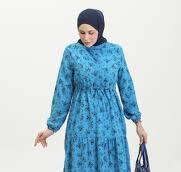
Exploring Muslim Dress: Tradition, Culture, and Identity
Muslim dress, often referred to as Islamic clothing or modest fashion, plays a significant role in the lives of millions of Muslims around the world. It is a reflection of tradition, culture, and identity that goes beyond mere clothing choices.
One of the most recognisable aspects of Muslim dress is the hijab, a headscarf worn by many Muslim women as a symbol of modesty and privacy. However, Muslim dress encompasses a wide range of styles and garments that vary based on cultural influences and personal preferences.
For men, traditional Islamic clothing may include items such as the thobe (a long robe), kufi (a rounded cap), or shalwar kameez (a tunic and trousers set). These garments not only adhere to Islamic principles of modesty but also serve as a way for individuals to express their cultural heritage.
Modest fashion has gained international recognition in recent years, with Muslim designers and influencers making waves in the fashion industry. Brands catering to modest dress have emerged, offering stylish yet modest options for those seeking to align their faith with their sense of style.
It’s important to note that while Muslim dress is rooted in religious beliefs and practices, it is also influenced by regional customs and individual interpretations. What may be considered appropriate attire in one community may differ from another, highlighting the diversity within the global Muslim population.
Ultimately, Muslim dress serves as a visible representation of faith and identity for many individuals. It is a way to honour tradition while embracing modernity, bridging cultural divides through shared values of modesty and respect.
Whether worn as a personal choice or out of religious obligation, Muslim dress continues to evolve alongside changing fashion trends and societal norms. It remains an integral part of many Muslims’ lives, embodying values of dignity, humility, and self-expression.
5 Tips for Modest Muslim Dress: Embracing Elegance and Comfort
- Choose loose-fitting and modest clothing that covers the body.
- Consider wearing a hijab or headscarf to cover the hair.
- Avoid transparent or tight clothing that reveals the shape of the body.
- Opt for long sleeves and long skirts or trousers to maintain modesty.
- Select fabrics that are not see-through and are suitable for different weather conditions.
Choose loose-fitting and modest clothing that covers the body.
When it comes to Muslim dress, a key tip is to opt for loose-fitting and modest clothing that adequately covers the body. This principle aligns with the concept of modesty in Islamic teachings, promoting respect and dignity in attire choices. By choosing garments that are not form-fitting and provide ample coverage, individuals can adhere to cultural and religious expectations while expressing their faith with grace and elegance. The emphasis on loose-fitting clothing underscores the importance of comfort, modesty, and self-respect in Muslim dress practices.
Consider wearing a hijab or headscarf to cover the hair.
When exploring Muslim dress, it is advisable to consider wearing a hijab or headscarf to cover the hair. The hijab serves as a symbol of modesty and privacy for many Muslim women, reflecting cultural traditions and religious beliefs. By donning a hijab or headscarf, individuals not only adhere to Islamic principles but also express their identity and commitment to faith through their clothing choices. It is a way to embrace tradition while embodying dignity and respect in one’s appearance.
Avoid transparent or tight clothing that reveals the shape of the body.
When it comes to Muslim dress, it is essential to adhere to the principle of modesty by avoiding transparent or tight clothing that reveals the shape of the body. This guideline is rooted in the Islamic value of preserving one’s dignity and privacy, emphasising the importance of dressing in a way that respects oneself and others. By choosing garments that provide adequate coverage without clinging to the body, individuals can uphold their beliefs while expressing their faith through modest and respectful attire.
Opt for long sleeves and long skirts or trousers to maintain modesty.
When considering Muslim dress, opting for long sleeves and long skirts or trousers is a key tip to uphold modesty in attire. By choosing garments that provide ample coverage, individuals can adhere to Islamic principles of modest dressing while expressing their faith with dignity and respect. Long sleeves and full-length bottoms not only align with religious guidelines but also contribute to a sense of elegance and sophistication in one’s appearance, reflecting a harmonious balance between tradition and contemporary fashion choices.
Select fabrics that are not see-through and are suitable for different weather conditions.
When choosing Muslim dress, it is essential to select fabrics that are not see-through and are suitable for various weather conditions. Opting for opaque materials ensures modesty and comfort, allowing individuals to adhere to their faith while feeling confident in their attire. Additionally, considering the climate and weather patterns when selecting fabrics helps ensure that the clothing remains practical and functional, providing comfort in both warm and cool conditions. By prioritising these factors, individuals can maintain modesty while staying stylish and comfortable throughout the day.